Brand Story
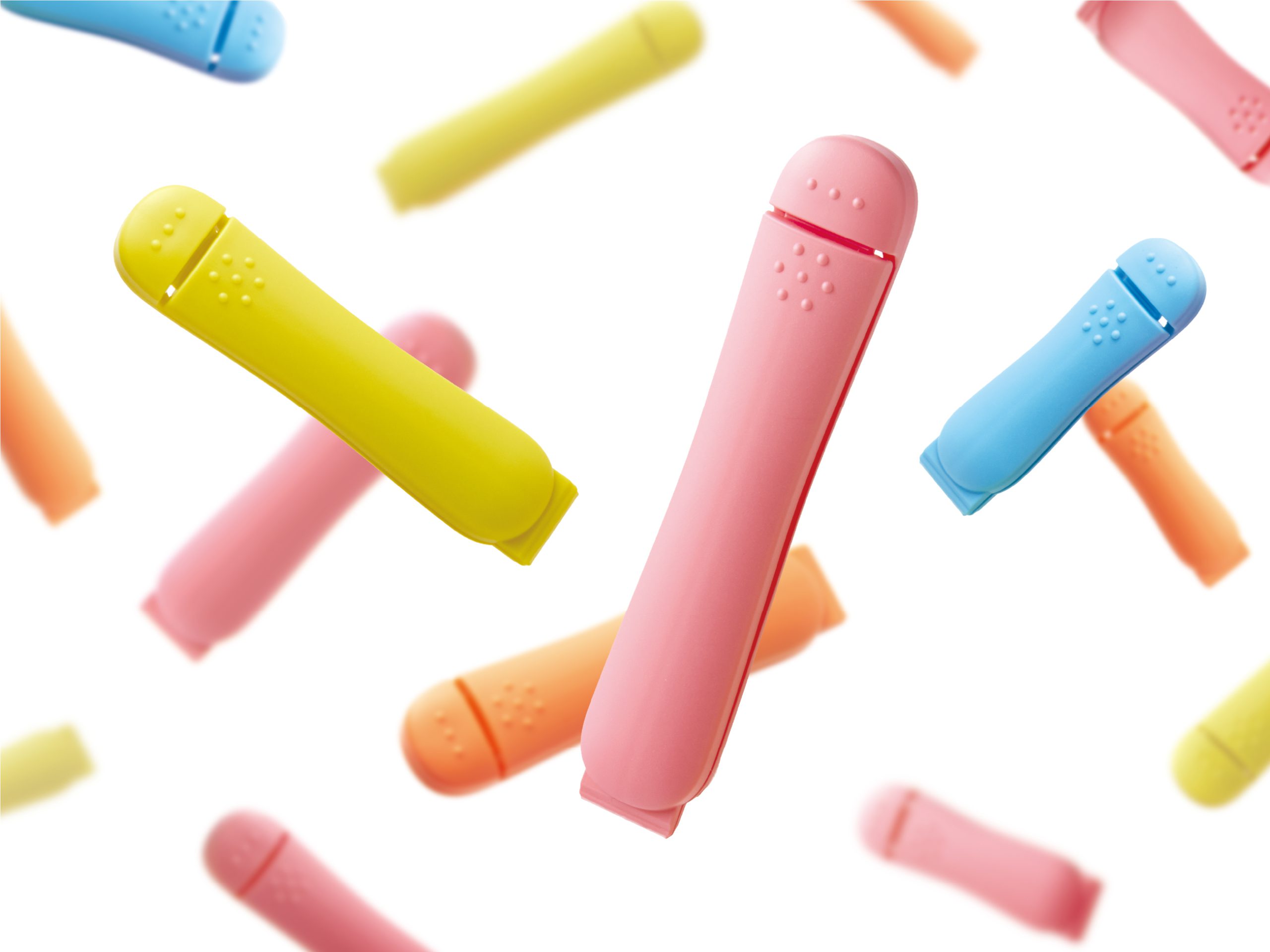
KUREHA’s “Pachik” bag clips
- CD / PD / Color / Adviser : REGAN Group
& Naoya Edahiro Design
& Motoyoshi Isamu (The University of Tokyo) - CL : Kureha
- Category : Brand Story
A 40-Year Milestone: Product Redesign for Pachik
Redesigning Pachik: An Object Begging to Be Held and Used
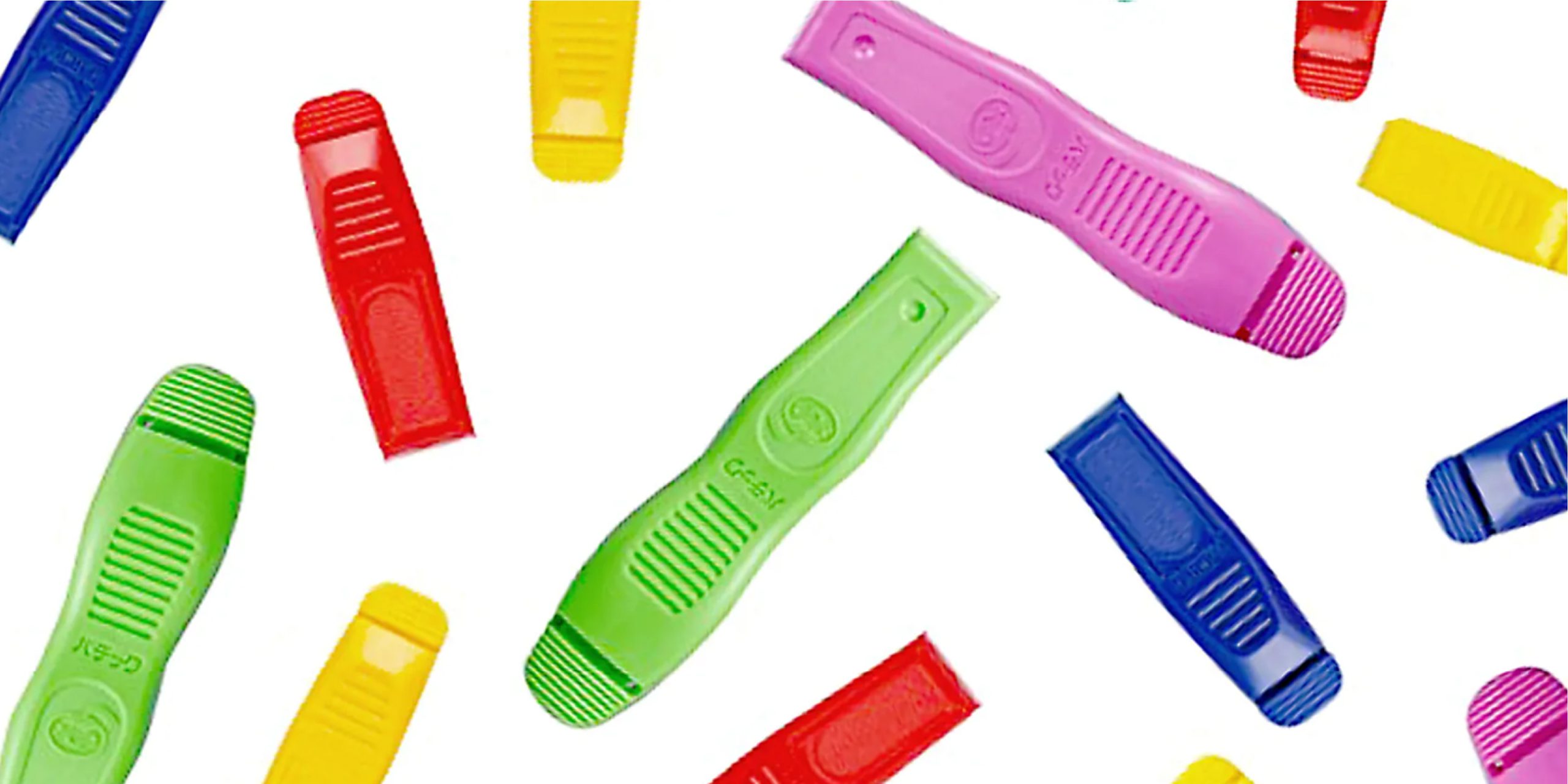
Bag clips for sealing bread and snacks are commonplace today, produced by countless household brands. Yet KUREHA’s "Pachik" has stood apart as a beloved essential for four decades, steadily adapting to evolving domestic habits within a focused niche.
Marking its 40th anniversary, Pachik embarked on its first substantial renewal. After decades without major alteration, the objective was demanding: craft an evolution so convincing that both internal stakeholders and longtime consumers would instantly recognize its inevitability. To identify the optimal path forward, we formed an international creative task force spanning three countries, including Japan.
The engagement began by exploring the fundamental premise: What should Pachik mean for the next era? Working from three core thematic pillars, the team generated an extensive collection of conceptual sketches. During an early review, a spontaneous remark from the client shifted our entire creative axis:
"You know, there’s something about Pachik that makes you just want to keep fiddling with it. And that snap sound is so satisfying."
Is "Tactility" the Core DNA of Pachik?
The desire to keep holding and touching an object cannot be rationalized through product specifications or mechanical utility alone.
When people see an object, handle it, and hear it operate, they experience an intuitive, subconscious sense of comfort. We hypothesized that this sensory pleasure held the genuine reason Pachik had remained cherished for 40 years. Rather than treating this purely as a styling exercise, we resolved to ground our design process in scientific understanding—specifically, how human cognition and behavior respond to multisensory input.
Bridging Industrial Design with Cognitive Science
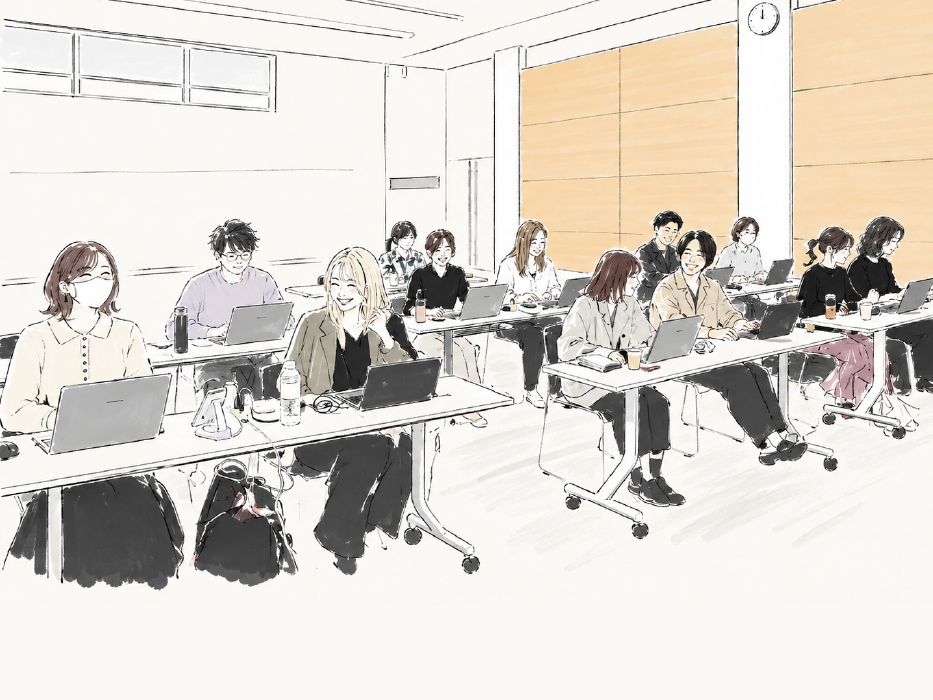
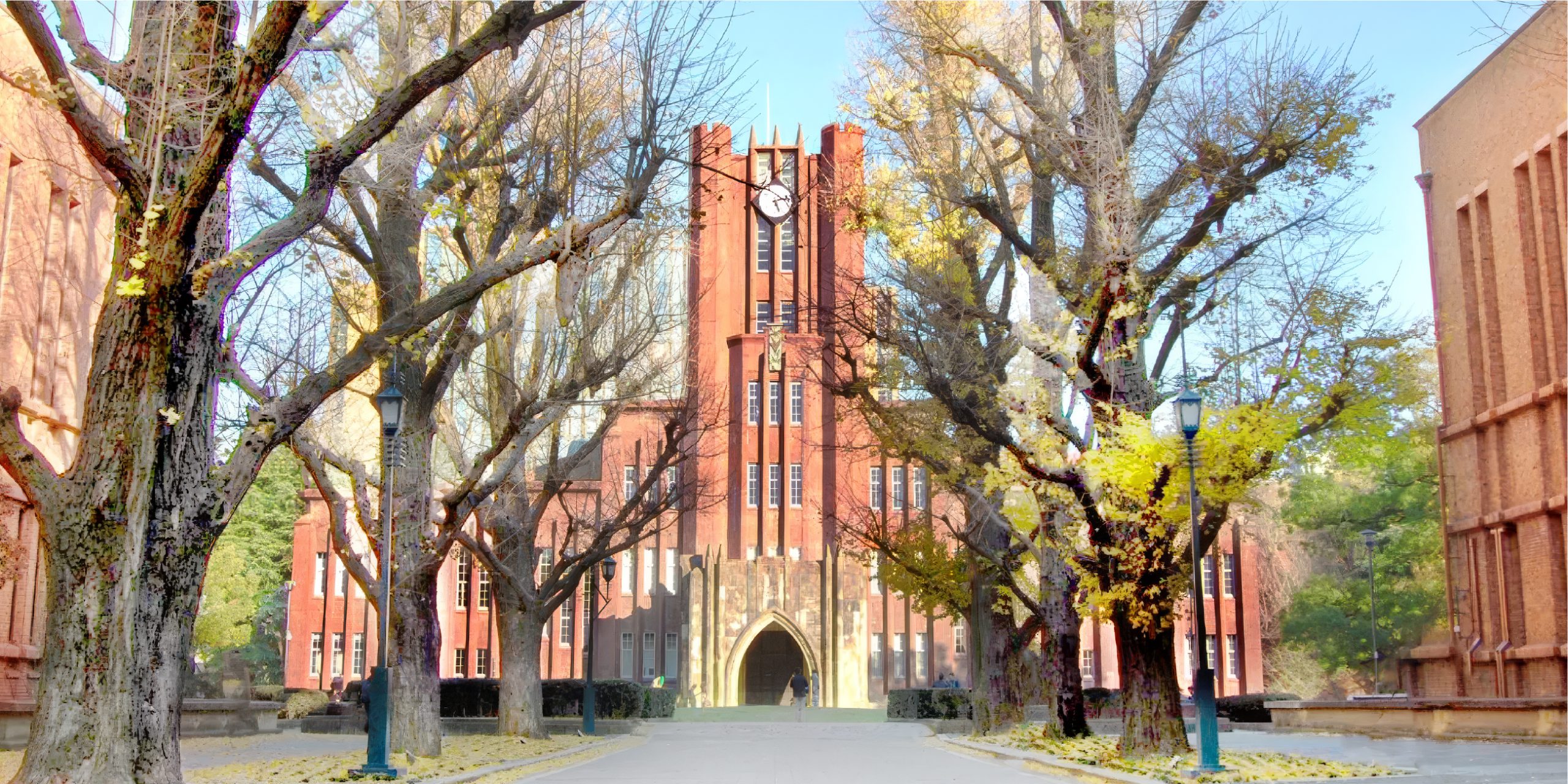
We reached out to academic research laboratories at Waseda University, Osaka City University, and the University of Tokyo. Following in-depth discussions at the University of Tokyo's Komaba Campus, Professor Motoyoshi joined the initiative as an academic advisor.
This partnership gave rise to a specialized multidisciplinary unit uniting brand strategy, industrial design, and cognitive behavioral science. Moving far beyond surface aesthetics, we investigated a foundational question: Why does the human mind perceive a specific form and tactile response as inherently gratifying? Through this scientific inquiry, we isolated and defined the authentic sensory DNA that Pachik needed to carry forward.
"Shinkansen": Aerodynamic Contours and Organic Grip
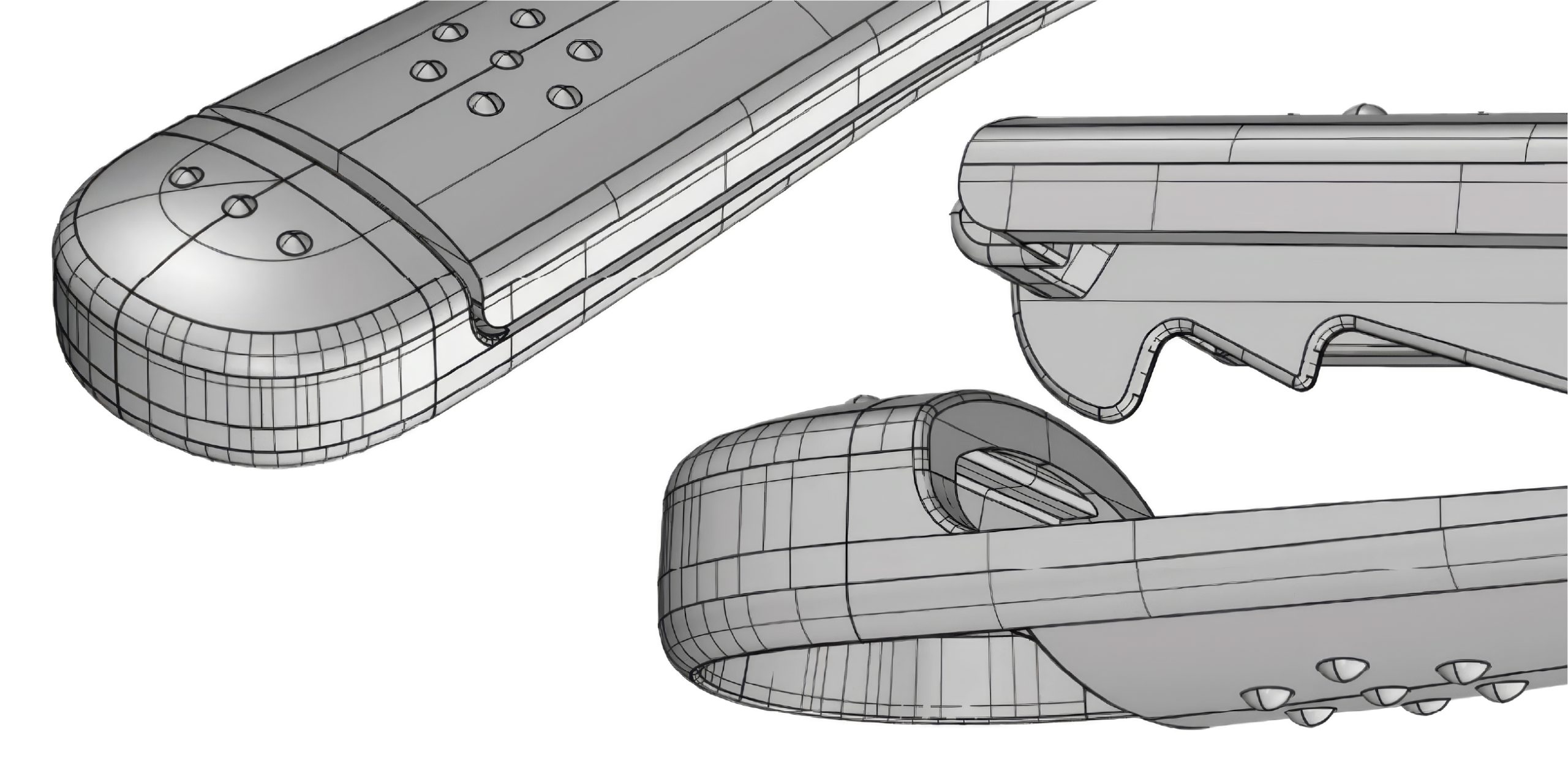
Iterating on selected initial sketches, we collaborated closely with our product design team in San Francisco through rapid prototyping cycles. We developed numerous form studies, refining proportions against our established brand criteria in continuous alignment with the client.
During this iterative phase, the industrial designers assigned an internal code name to a leading form direction: "Shinkansen" (the bullet train). Defined by streamlined, aerodynamic sweeps and an organic waistline, the form was engineered not merely for visual balance, but for tactile ergonomics—how smoothly the thumb and fingers nestle into its contours. The moniker stayed with the creative team long after the final production form was locked.
Carrying 40 Years of Brand Essence into the Next 40
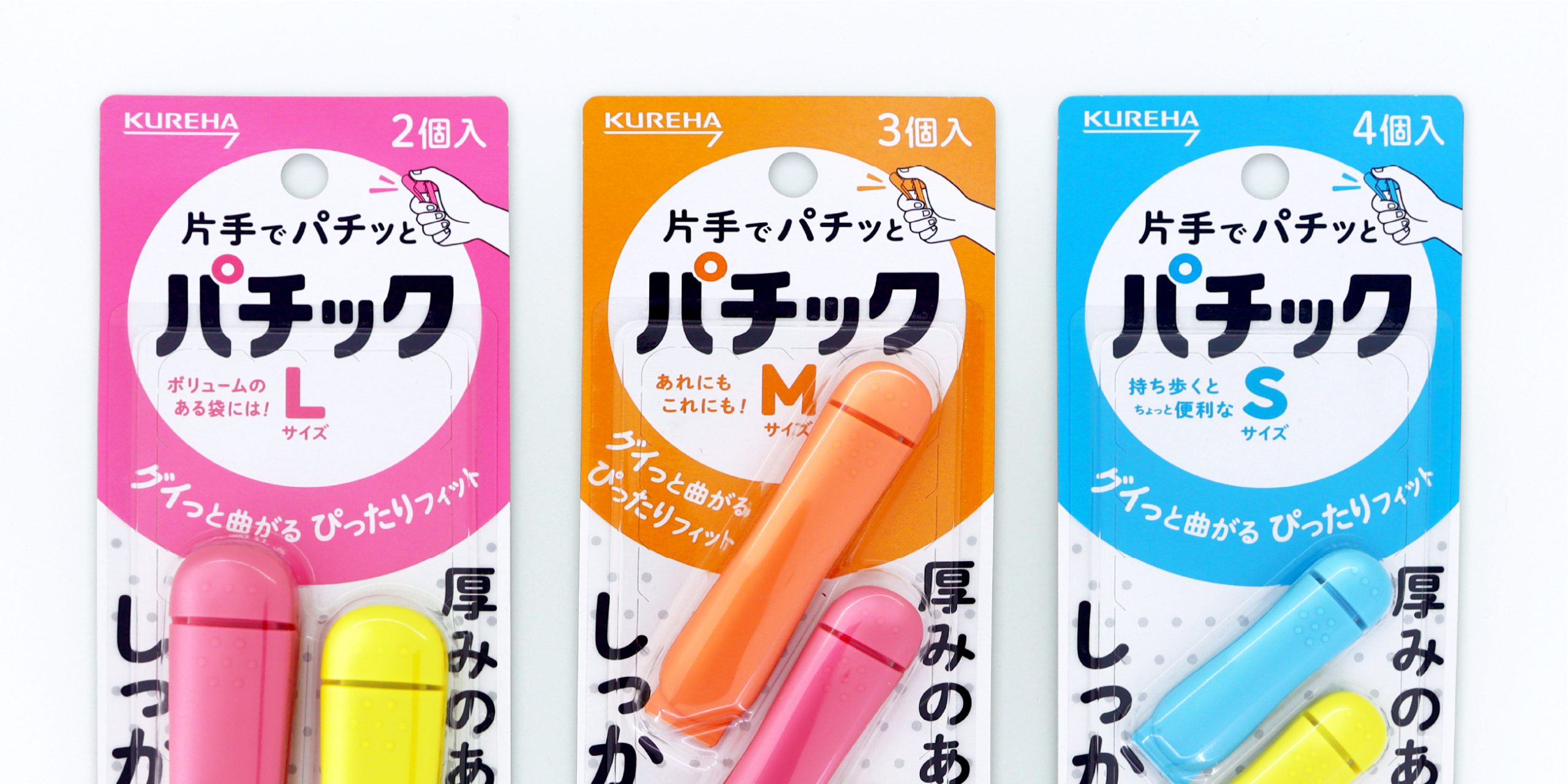
The renewal of Pachik was never just about modernizing a 40-year-old exterior. Beyond its utilitarian role of sealing a bag, we unearthed an implicit emotional resonance: the joy of touch, the comfort of daily interaction, and the instinctive pull to reach for it on the kitchen counter. Identifying this intangible essence and translating it into a refined, tactile form provided Pachik with renewed relevance for the next four decades.
Experience the crisp, satisfying "snap" of the new Pachik for yourself.
Our mission extends beyond visual redesign; we uncover the latent truths buried within products and heritage brands, sculpting them into lasting value for generations to come.